Our WorkOur work focuses on the following thematic areas: Farmers’ Seed Fair; Seed Banking and Seed Exchange; Agroecology and Food Security; Seed Policy and Farmers Rights; and Youth in Agriculture.
Bolgatanga Farmers Seed Fair
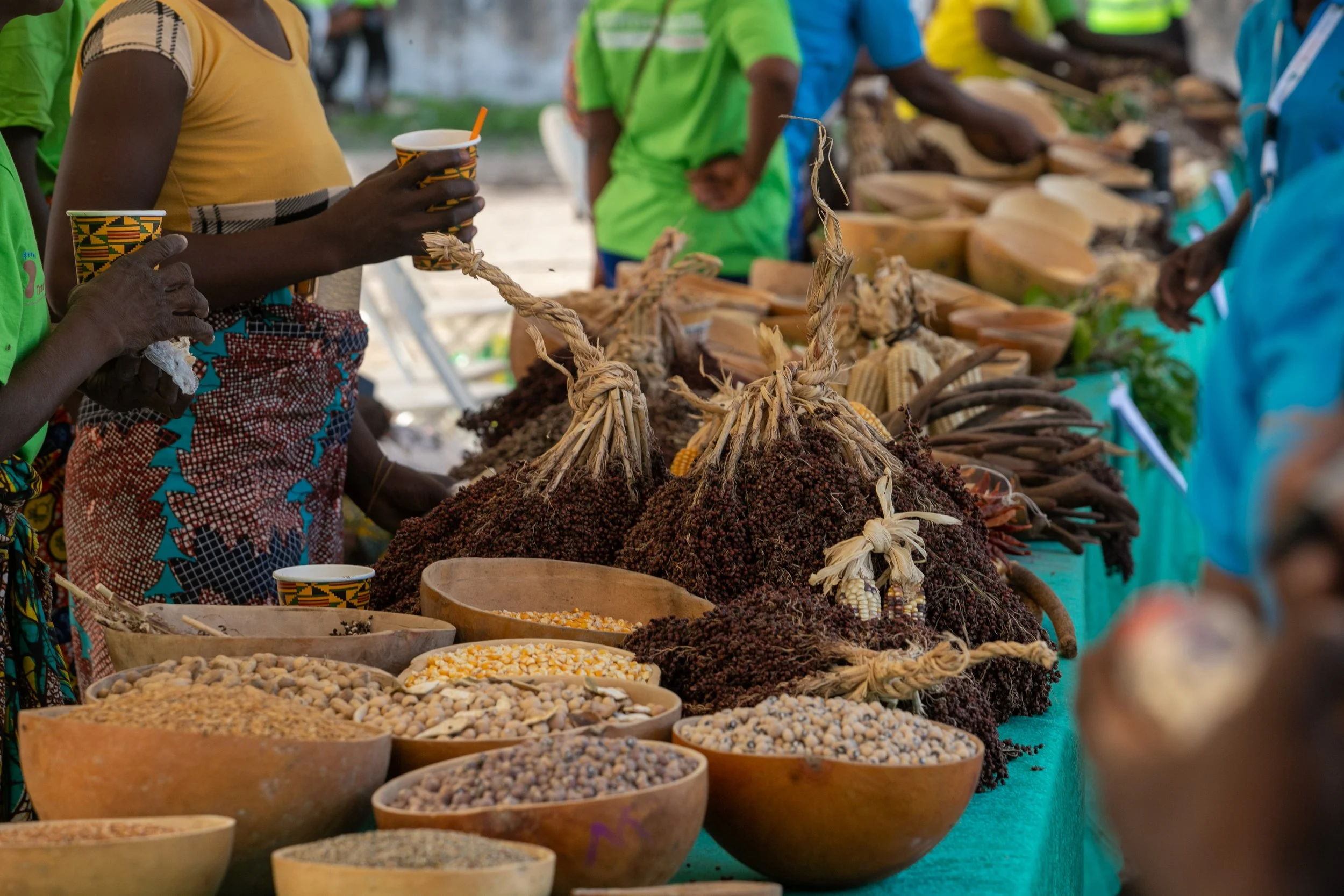
The Bolgatanga Farmers Seed Fair takes place every year in the Upper East Region of Ghana, organized by The Beela Project and Trax Ghana. The farmers’ seed fair promotes farmer-managed seed systems, supports the facilitation and exchange of seeds amongst farmers, and encourages the sharing of local and indigenous seed knowledge and know-how.
The Bolgatanga Farmer Seed Fair is centred on indigenous farming systems and recognition and promotion of farmers’ local and indigenous seeds. At the seed fair, farmers bring a range of varieties of seeds from, but not limited to, cereals, grains, legumes, vegetables, tree crops, tubers, etc. The seed fair is an opportunity for farmers to showcase, share, and exchange their seeds.
Additionally, the seed fair allows the general public to see the diversity of the farmer seed system and learn about the seeds of different crop varieties and associated traditional knowledge.
The seed fair creates opportunities for the farmers from the communities we work with and beyond to share their seeds as well as best agroecology practices employed to produce, preserve, and store their seeds from one planting season to the next.
The seed fair extends an invitation to stakeholders from the national, regional, district, and community levels, as well as civil society organizations, to emphasize the importance of their support and contribution to strengthening the farmer seed system necessary to enhance local seed security and food sovereignty.
Community Level Seed Exchange
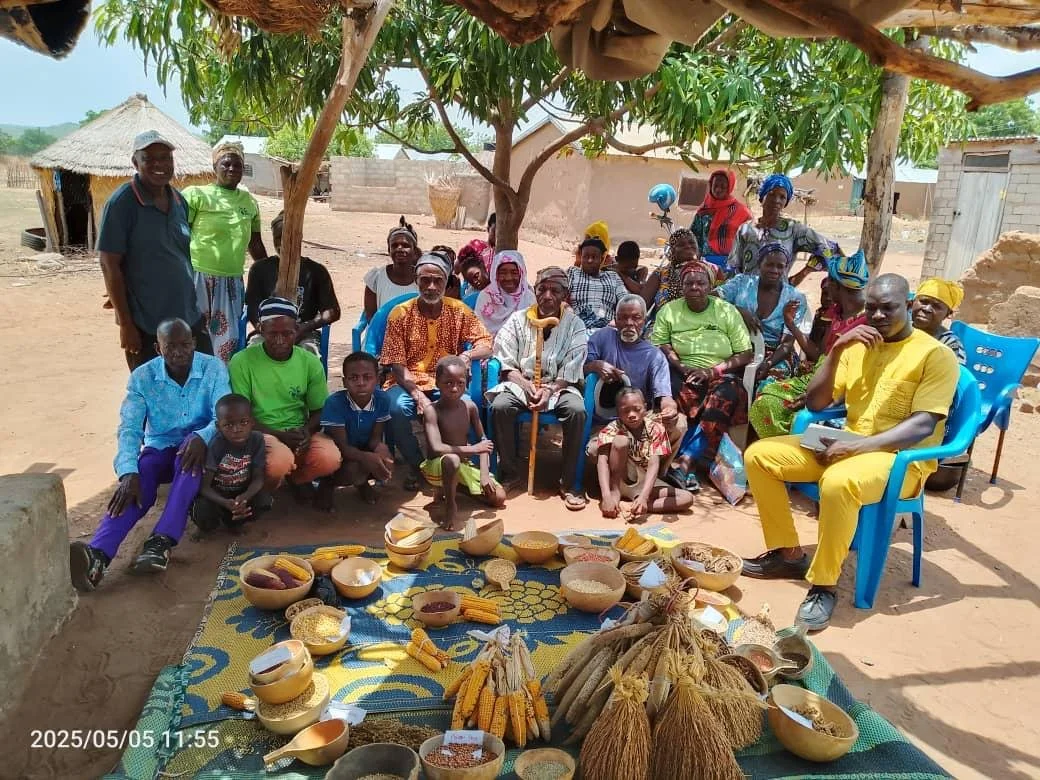
We work with communities to facilitate farmer-to-farmer seed sharing and exchange at the local level. At the community level, farmer seed exchange provides farmers with immediate access to seeds and also strengthens farmer and community seed systems.
At the community level, the seed exchange is a mechanism to ensure the timely availability of seeds as well as quality farmer seeds that are locally produced and exchanged. Farmers are more confident sharing and exchanging seeds with other peer farmers, as it provides a level of seed germination guarantee to the farmer. In addition, the farmer also knows the source of the seeds they are planting from the exchange.
Supporting communities to engage in seed exchange at the local level is a mechanism to conserve, save, and exchange farmers’ seeds, which are critical to seed security and adaptation to climate change
At the seed exchange, farmers share their local knowledge and experience on seed selection and seed storage practices. This exchange is facilitated by the farmers with input from farmers who are recognized as experts in seed storage, often referred to as seed custodians. The farmer experts shared their knowledge on various seed storage methods, types, practices, and the best storage materials for each type of seed.
Indigenous Cooking
We work with communities to rediscover their indigenous foods in connection with lost indigenous seeds or indigenous seeds that are almost extinct. A nation’s food system is a direct reflection of its seed system.
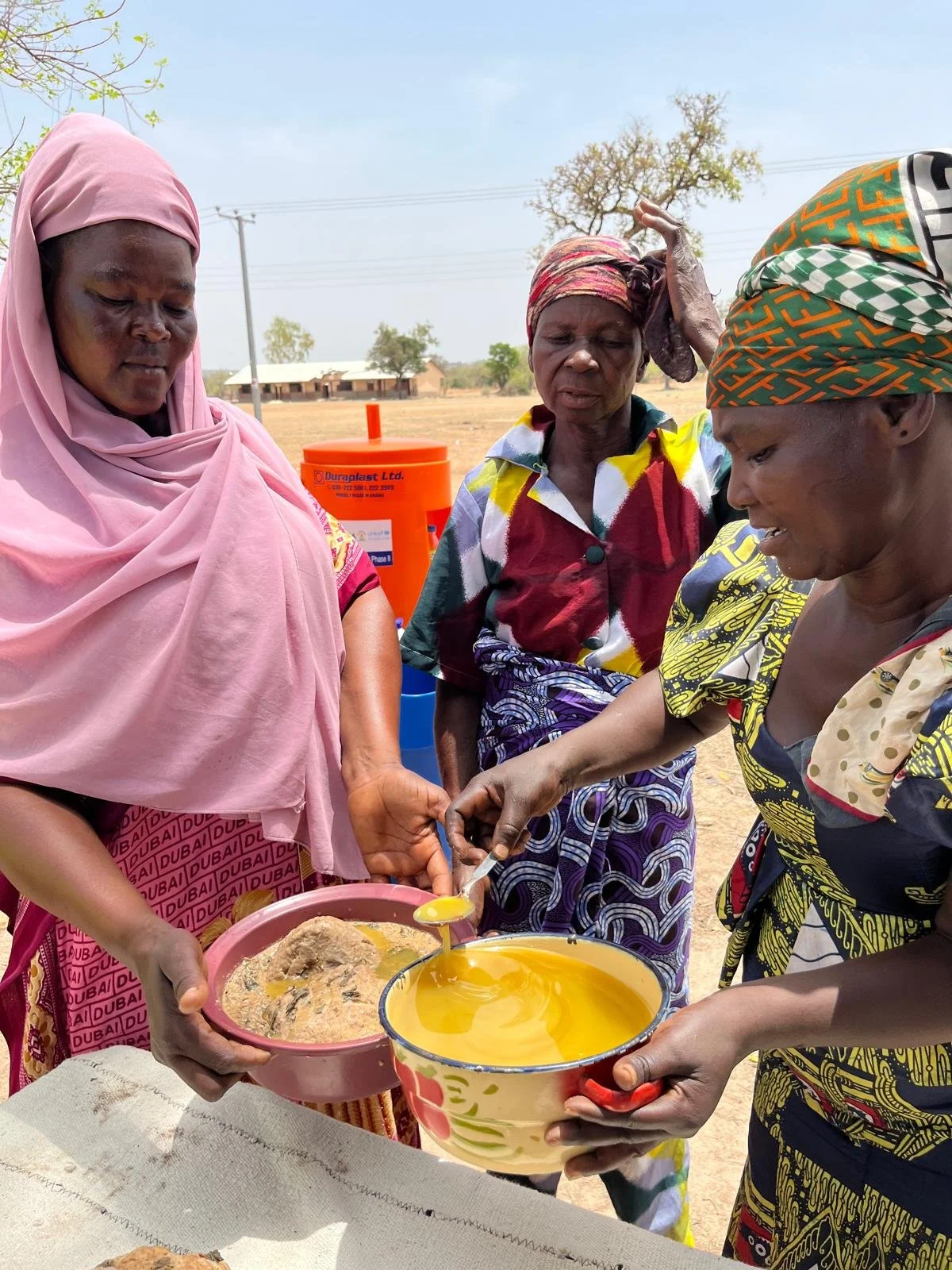
Through a participatory model, communities are supported in selecting several indigenous recipes, mobilizing ingredients, and preparing these recipes on agreed dates with their community, especially with the women and youth, to facilitate knowledge sharing and exchange.
This process carefully targets the elderly (who hold traditional knowledge) and the younger generation (who stand to inherit and sustain these practices). The activity instituted cooking sessions across various communities to showcase traditional dishes using locally sourced ingredients.
The cooking gatherings create a space for intergenerational learning and practical knowledge transfer through the sharing of the history of each recipe. After the preparation of each dish, the elderly men and women in each community shared the rationale behind the existence of each dish, including the cultural significance.
This sharing ensured a knowledge transfer mechanism from the elderly to the young, preserving the time-honored traditions surrounding these indigenous foods for future generations.
Through storytelling and hands-on cooking experiences, the indigenous cooking initiative celebrates Ghana’s diverse seed system, food heritage, and also reinforces the importance of the farmer seed system and indigenous food system in achieving food sovereignty.
Food Security and Agroecology
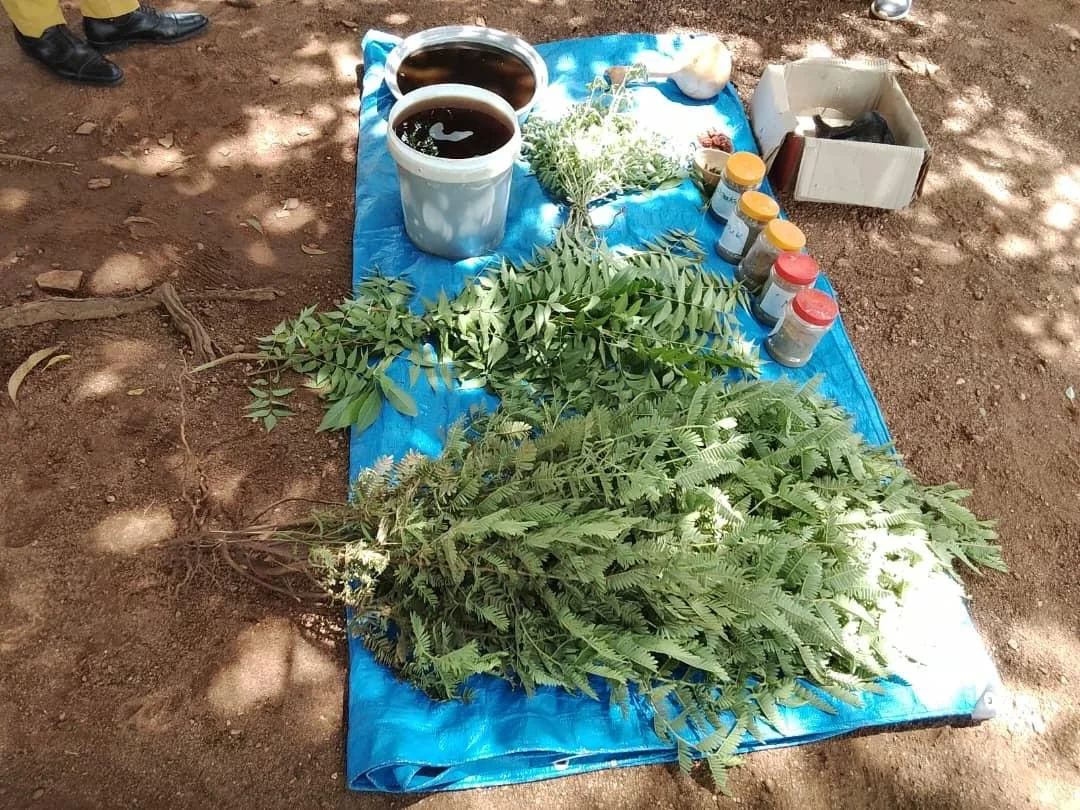
The agroecology workshops for farmers take place at the community level, led by farmers and our technical support team. These workshops serve as practical learning platforms that empower smallholder farmers to deepen their knowledge and skills in sustainable farming practices, particularly in the use of natural inputs for soil fertility management and natural pest control mechanisms.
This also fosters farmer-to-farmer knowledge exchange, encouraging the sharing of indigenous knowledge, innovative techniques, and field-tested solutions to common farming challenges.
The workshops are participatory and practical, with demonstrations on the preparation and application of natural pest control solutions using locally available materials, as well as the preparation of nutrient-rich liquid fertilizers to enhance soil fertility and crop productivity. Through these activities, farmers strengthened their capacity to produce food sustainably while reducing dependence on costly and harmful synthetic inputs.
Our focus is to encourage and promote the usage of natural and organic inputs to enhance soil and plant health for sustainable food production.